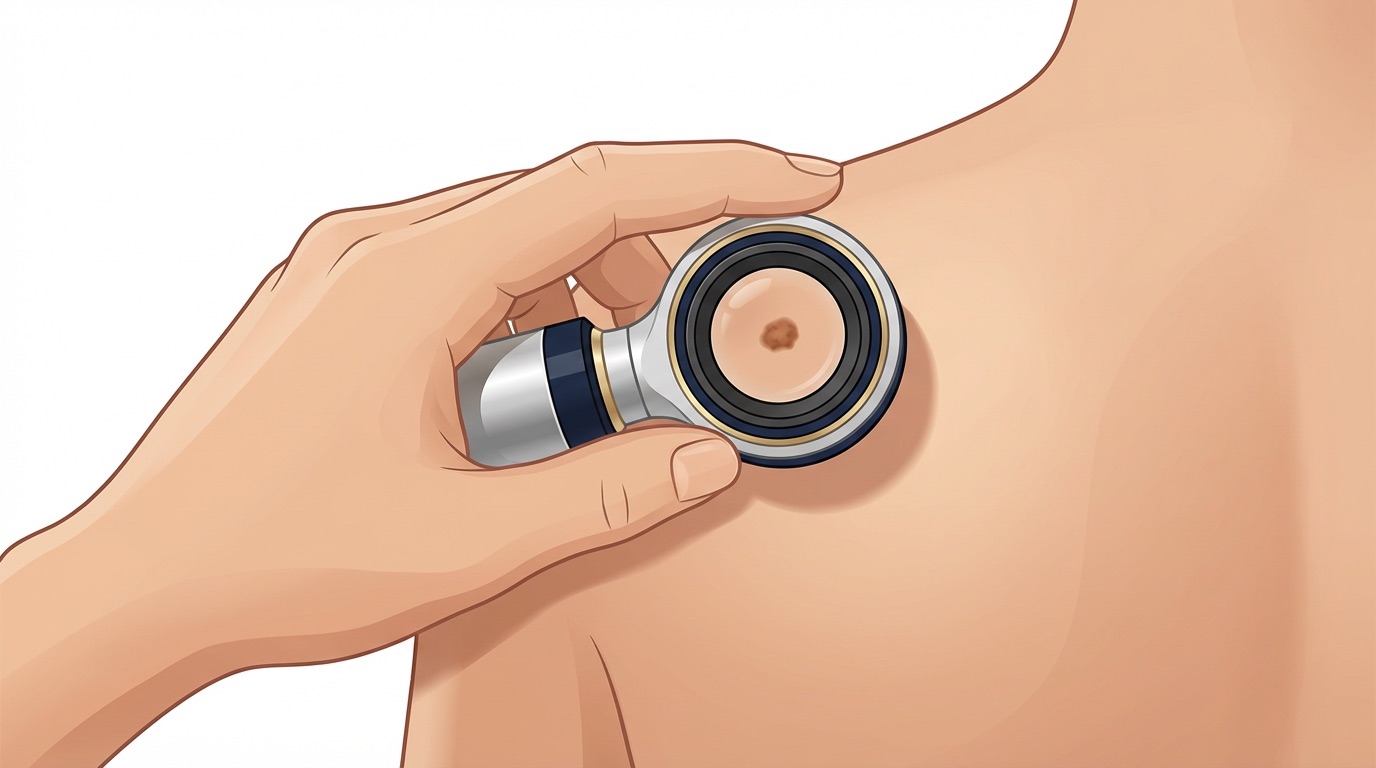
A melanoma diagnosis is a moment most people never forget. It is also, for the majority of patients, the start of a long chapter of good health rather than the end of one. More than 85% of people diagnosed with melanoma in the UK are alive five years later, and for early-stage disease that figure rises above 95%. The aim of follow-up care is to keep you in that majority — and to help you live well while you are there.
This article is written for patients who have recently finished active treatment, or who are living with a melanoma diagnosis months or years on. It covers the emotional journey, the practical details of follow-up, and the everyday habits that matter.
The emotional journey is part of the diagnosis
Before the clinic schedules, let's acknowledge something important: a melanoma diagnosis is often more psychologically demanding than the surgery itself. Patients describe a spectrum of feelings — shock, vulnerability, a sense of the body betraying them, and a low-grade anxiety that tends to reappear in the days before each follow-up. This last phenomenon even has its own name: scanxiety.
What helps, in my experience:
- Naming it. Anxiety around follow-up appointments is normal, not a sign of weakness. Saying so out loud — to your partner, your clinician, your GP (General Practitioner) — is often the first step.
- Routine and ritual. Many patients find a small pre-appointment ritual (a coffee with a friend, a walk, a familiar playlist) takes the edge off.
- Professional support. The counselling services at Melanoma Focus UK, Macmillan Cancer Support and your local NHS cancer support service are experienced, free and genuinely useful. Please use them if you are struggling.
"Anxiety after melanoma is not a character flaw — it is a reasonable response to a frightening diagnosis. The patients who cope best are usually those who allow themselves to talk about it, not those who try to power through in silence."
What follow-up actually looks like
Follow-up schedules are tailored to the stage of the melanoma at diagnosis, as defined by the American Joint Committee on Cancer (AJCC) staging system. In the UK, we broadly follow NICE and British Association of Dermatologists guidance. Because these recommendations are revised as new evidence emerges, your individual schedule will be explained and confirmed by your clinical team based on the histology and staging of your tumour.
Each appointment typically includes a detailed history (any new lumps, changes, symptoms), a full skin examination with dermoscopy, and a careful palpation of the regional lymph nodes. In higher-risk patients we also perform blood tests and arrange imaging such as ultrasound, CT (Computed Tomography) or PET-CT (Positron Emission Tomography combined with CT).
The risk of a second primary melanoma
Anyone who has had one melanoma is at a higher risk of developing another. The estimated risk of a second primary melanoma is approximately 5% over ten years — several times the risk in the general population. This is not a cause for alarm but a reason for commitment: lifetime vigilance rather than temporary caution. For that reason, many patients continue to have annual skin checks long after formal oncological follow-up ends.
Self-examination: a practical guide
Regular self-examination is the single most useful thing you can do between clinic visits. Most second melanomas are found by patients themselves. A practical monthly routine looks like this:
- Good lighting and a full-length mirror, with a handheld mirror for the back.
- Work top to bottom: scalp (ask a family member or use a handheld mirror), face, ears, neck, chest, abdomen.
- Arms, armpits, palms and between the fingers.
- Back, buttocks and backs of legs, including the soles of the feet and between the toes.
- Nails — look for new dark lines or colour changes.
Take a photograph of anything that looks new or different and compare it month-on-month. If something changes or appears between appointments, please contact the clinic rather than waiting. For a refresher on what warrants concern, our guide to when to worry about a mole is a practical companion.
Sun protection — for life
Nothing about melanoma means you need to avoid daylight, but sensible sun protection should become a permanent habit. The four pillars are:
- Broad-spectrum SPF 30 or higher on exposed skin, applied daily and reapplied every two hours outdoors.
- Clothing and hats: a wide-brimmed hat, UV (Ultraviolet)-protective clothing, and long sleeves when practical.
- Shade: particularly between 11am and 3pm from March to October in the UK.
- No sunbeds. Ever.
When to seek urgent review
In between scheduled appointments, certain symptoms warrant rapid clinical review:
- A new lump or swelling in the scar, the skin nearby, or the draining lymph nodes.
- Persistent unexplained weight loss, fatigue, new cough, headaches, or bone pain.
- A new mole or change in an existing mole.
- Any new neurological symptoms — persistent headaches, visual disturbance, weakness or numbness.
These symptoms are usually explained by something benign, but they should always be assessed rather than dismissed.
Family screening
Melanoma has a familial component. First-degree relatives of someone with melanoma have roughly twice the background risk. I encourage patients to ask their parents, siblings and adult children to have a baseline skin check, particularly if they share the family risk factors of fair skin, multiple moles, or significant sun exposure. In selected families — typically those with multiple affected relatives or very young-onset disease — referral to a genetics service may be appropriate.
Lifestyle and wellness
There is good evidence that general health habits influence long-term outcomes. Regular physical activity, a Mediterranean-style diet rich in vegetables and oily fish, limiting alcohol, not smoking, and good sleep all support your immune system and wellbeing. None of these are magic, but together they matter.
If you would like to arrange a baseline skin examination — whether for yourself or a relative — or to transfer your follow-up care, you can book via the Skin Cancer Centre. For a fuller discussion of what a private consultation involves, see our article on what to expect from a private skin cancer consultation.