A first consultation with a plastic surgeon is often a step people have been thinking about for months, sometimes years. It is entirely normal to feel a little nervous. The good news is that a well-run appointment is a calm, private conversation, and the better prepared you are the more you will get out of the time we spend together.
This short guide walks you through what to bring, what I will ask and examine, and what you can expect to happen at the end of the appointment.
Before you arrive
There are a few simple things that make a first consultation run smoothly. You do not need to prepare anything complicated, but bringing the right information will help us spend the appointment on the conversation rather than paperwork.
- A referral letter, if you have one: not essential for private consultations, but helpful if your GP (General Practitioner) or another specialist has already written about the issue.
- A list of your current medications: include prescription drugs, over-the-counter tablets, supplements and herbal remedies. Some of these affect bleeding and healing.
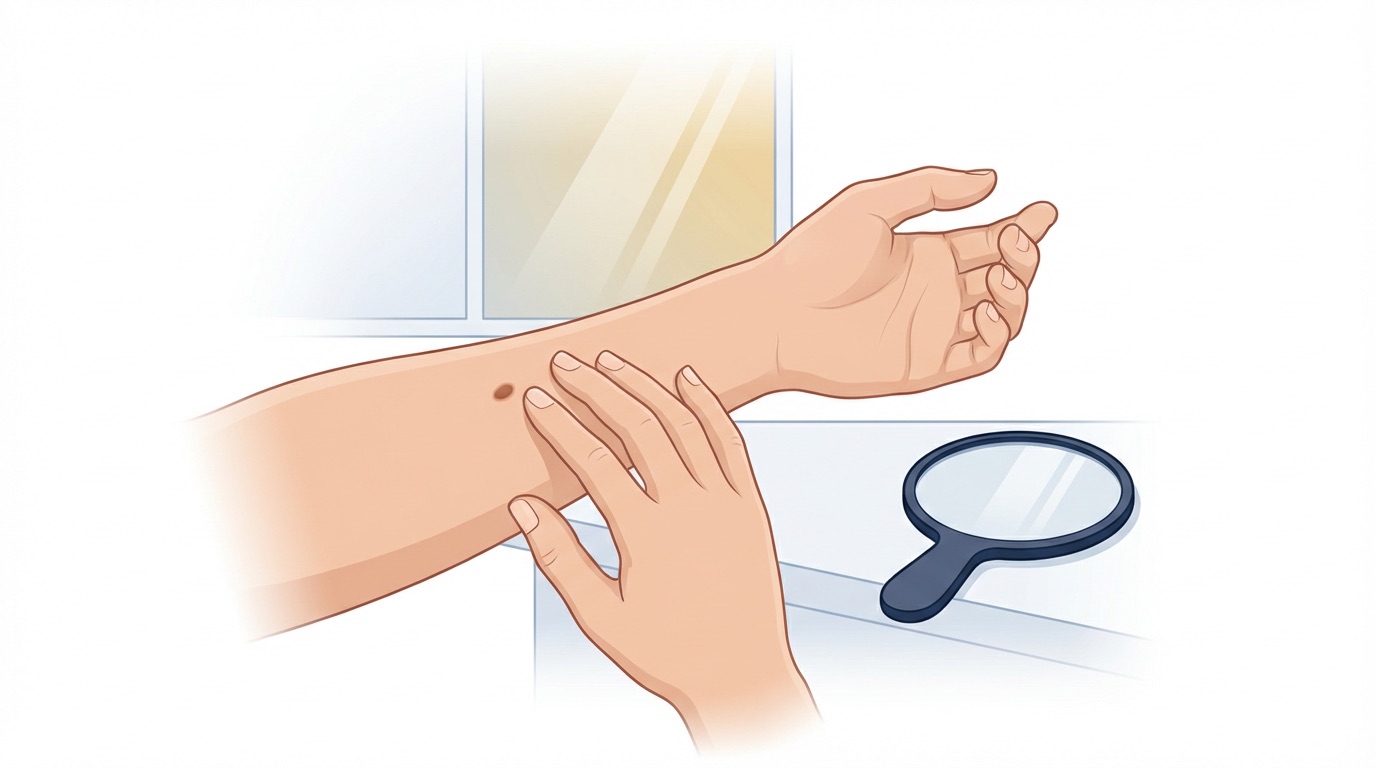
- Photographs of the area of concern: especially useful for lesions or skin changes that come and go, or concerns about how scars have evolved.
- A brief written list of your questions: it is surprisingly easy to forget one or two things in the moment.
- A trusted companion, if you would like one: a second pair of ears can be reassuring and helpful when you review the conversation afterwards.
What I will ask you
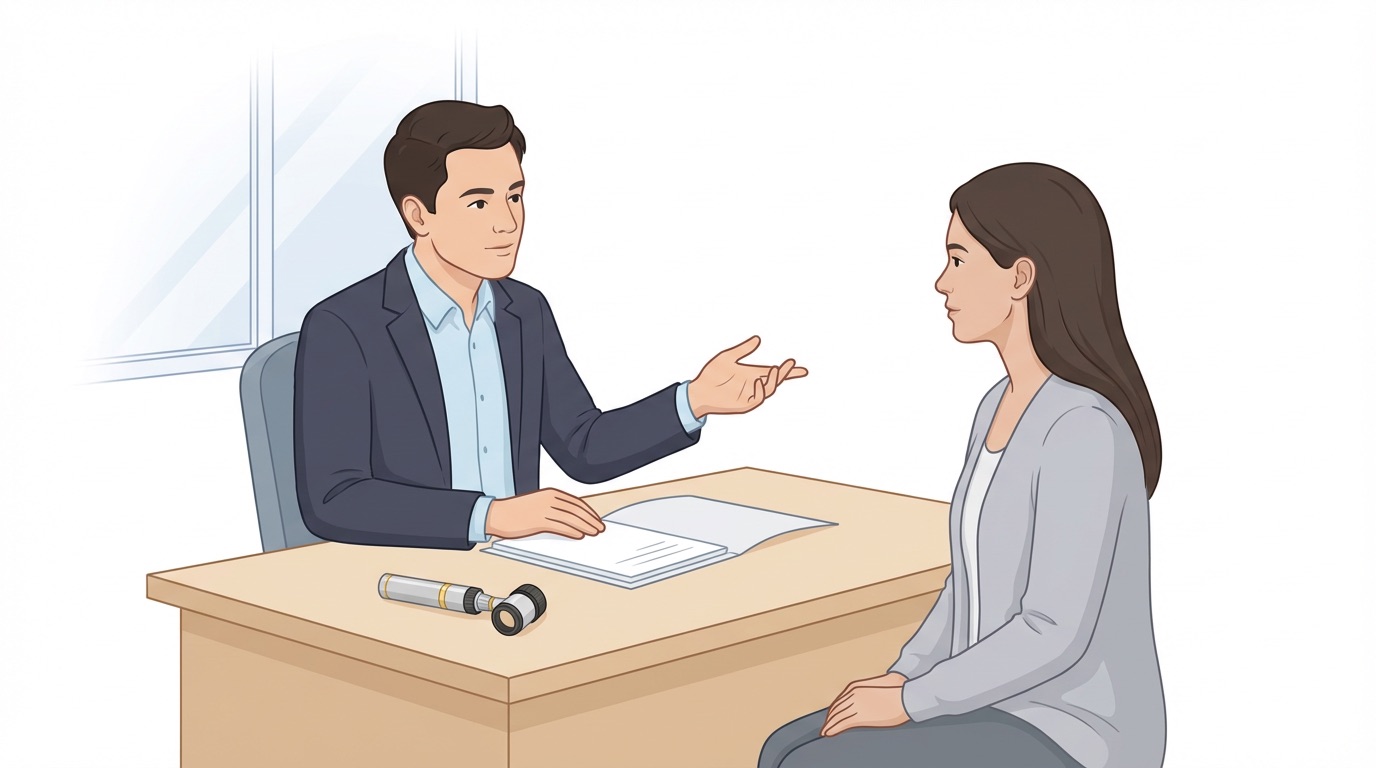
The first part of any consultation is a conversation. I want to understand what has brought you in and what you hope to achieve. Some patients arrive with a very specific request; others simply know that something is bothering them and want my opinion on the options. Both starting points are fine.
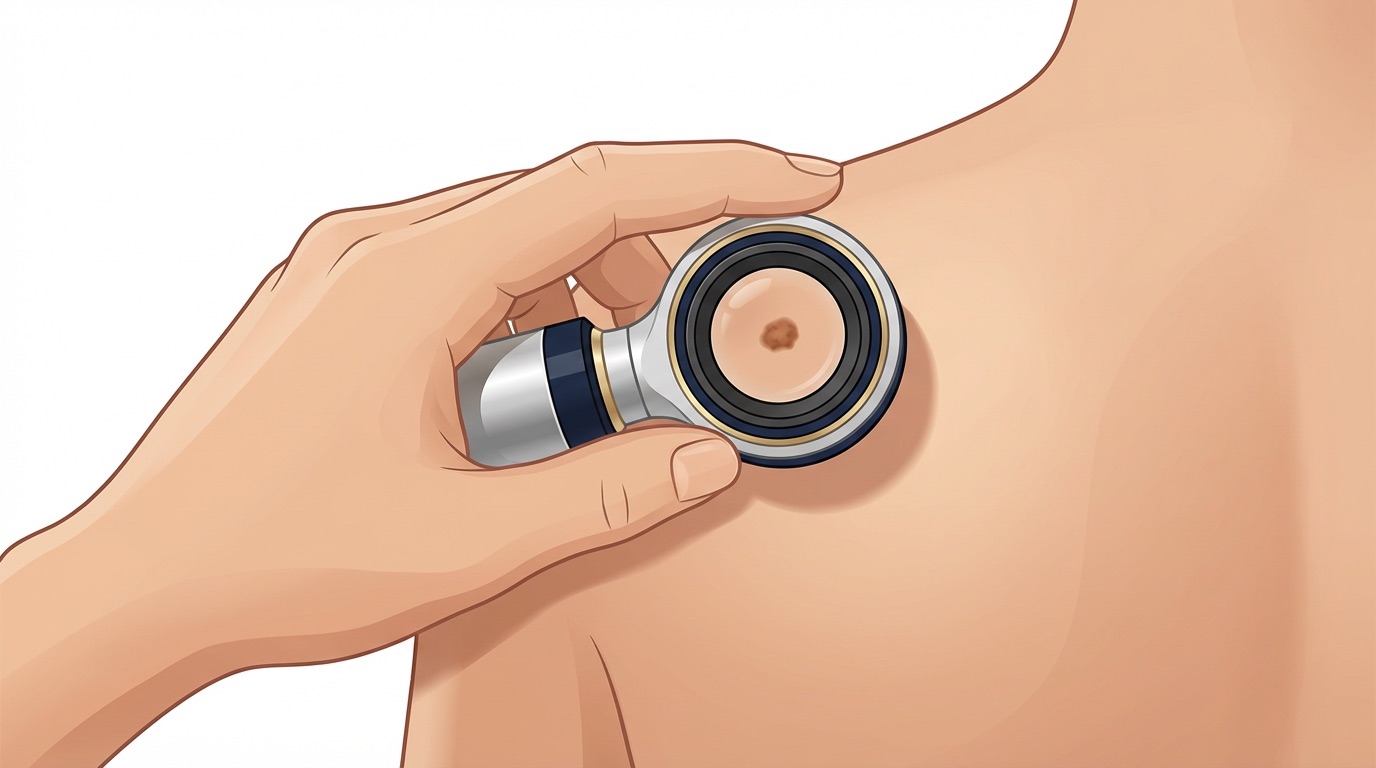
I will then take a medical history. This includes any long-term conditions, past operations, previous anaesthetics, allergies, whether you smoke, and any family history of bleeding or clotting problems. For aesthetic concerns, I will ask how long the issue has been present, what has changed recently and what prompted the appointment now. For skin lesions, I ask about how they have evolved, whether they itch or bleed and whether there is any personal or family history of skin cancer.
The examination
The clinical examination is tailored to the reason for your visit. For a skin lesion, I will examine the mark itself, the surrounding skin and often other areas including the scalp and lymph nodes. For an aesthetic concern, I examine the region while you are sitting upright and in good light, and I may ask to take clinical photographs for the record. You are always welcome to decline photography or ask for a chaperone; both are straightforward.
"A good consultation should leave you feeling better informed and less anxious, not rushed or pressured into a decision you are not ready to make."
Discussing the options
Once I have listened and examined, I will explain what I think is going on and the options for managing it. I try to be honest about what surgery can and cannot achieve, and I will often describe non-surgical alternatives even when a patient has come in expecting an operation. If I believe surgery is not the right answer for you, I will tell you so.
Where surgery is appropriate, we discuss the technique, the anaesthetic, the likely recovery, the realistic result and the specific risks that apply to you. I encourage questions throughout, and I never ask anyone to make a decision on the day.
Questions worth asking
You are welcome to ask anything, but the following questions are a good place to start: How many of these operations do you perform each year? What are the main risks in my case specifically? What will the scar look like and where will it sit? What does realistic success look like for me? What happens if something goes wrong? How and when should I get in touch during recovery?
How long the appointment lasts
A standard first consultation lasts around thirty minutes. Complex cases, such as revision surgery or reconstructive planning, may take longer. You will not be rushed, and if more time is needed we will arrange a follow-up.
Conclusion
At the end of the appointment, I will summarise the plan and put it in writing afterwards. If any investigations are needed, such as imaging or a biopsy, we arrange them. If you would like to proceed with treatment, my team will contact you to discuss dates and costs. And if you want to take time to reflect, that is always encouraged. If you would like to book your first consultation, please get in touch through the contact page.